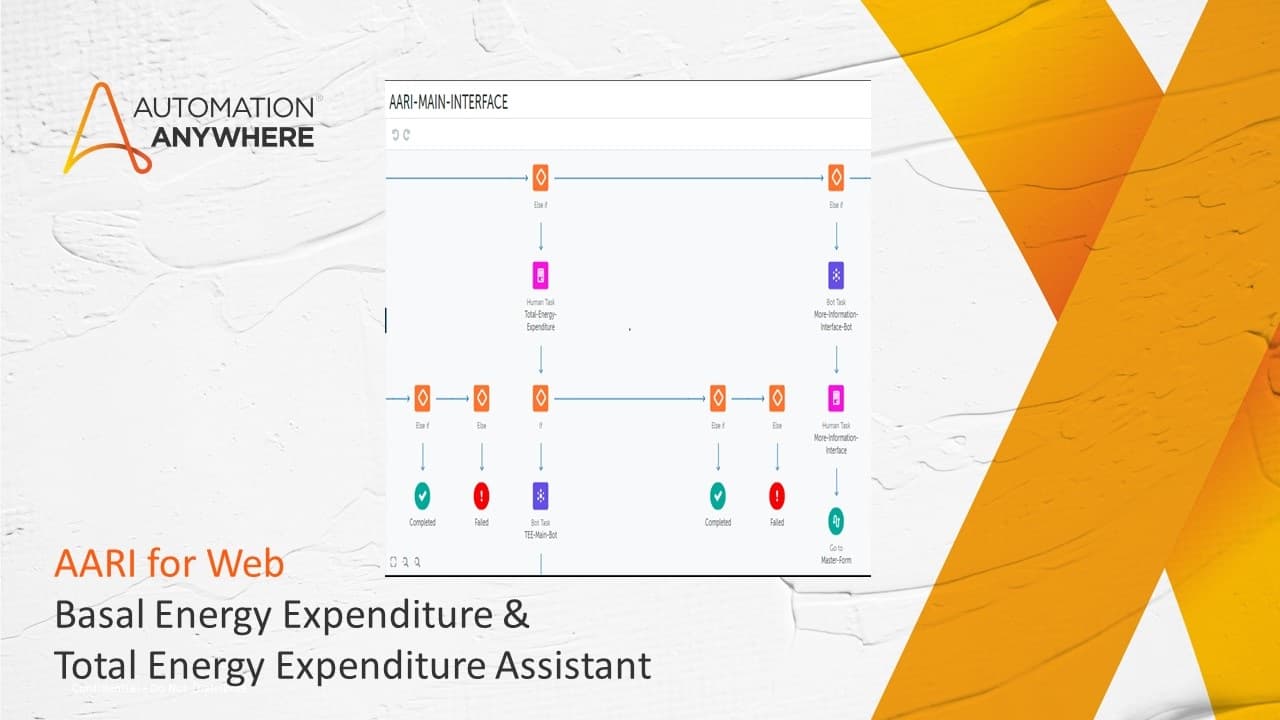
Basal energy expenditure (BEE) is the amount of energy that should be sufficient to cover all movement and bodily processes necessary for an organism to survive for a day, given in kcal/day or kJ/day. This energy requirement is most accurate when it is used to describe an alert, resting human of a calm mental and physical state, constantly in a room temperature. The person needs to have gotten a good night's sleep and has consumed a meal over 12 hours ago.
Total energy expenditure (TEE) describes the whole amount of energy used by your body throughout the day. In contrast to BEE, the total energy expenditure describes our physical activity and all the temporary states that may affect our energy consumption (e.g., infection, neoplasm, sedentary vs. active lifestyle). Total energy expenditure gives you a fuller picture of your calorie demand.
Total energy expenditure (TEE) consists of four components, i.e., the sleeping metabolic rate (SMR), the energy cost of arousal, the thermic effect of food or diet-induced energy expenditure (DEE), and the energy cost of physical activity or AEE.